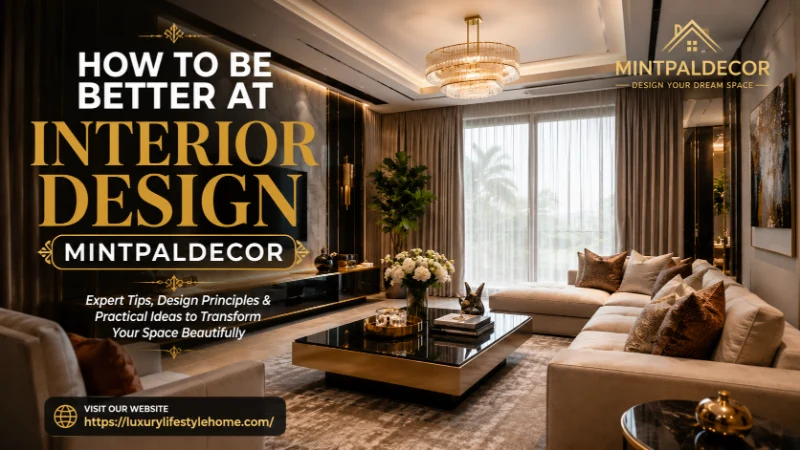
Interior design is more than arranging furniture—it’s about creating a space that reflects personality, enhances comfort, and improves functionality. If you’re looking for practical ways to refine your design skills, this guide on how to be better at interior design mintpaldecor will walk you through proven strategies, expert tips, and actionable ideas.
Whether you’re a beginner or someone looking to sharpen your eye, mastering interior design takes both creativity and structure. Let’s dive into a complete, easy-to-follow roadmap.
Why Interior Design Skills Matter
A well-designed space impacts mood, productivity, and even relationships. Good design:
- Improves functionality
- Enhances visual appeal
- Increases property value
- Reflects your personal identity
Understanding how to be better at interior design mintpaldecor helps you make intentional decisions instead of guessing what looks good.
Understand the Basics of Interior Design
Before experimenting with styles, you need a solid foundation.
Key Design Principles
These core principles guide every great interior:
- Balance: Distribute visual weight evenly
- Harmony: Ensure all elements work together
- Contrast: Add interest through differences
- Rhythm: Create flow using repetition
- Proportion & Scale: Match objects to space size
Without these basics, even expensive decor can feel chaotic.
Develop Your Personal Design Style
One of the biggest steps in learning how to be better at interior design mintpaldecor is identifying your unique taste.
Explore Popular Styles
| Style | Key Features | Best For |
|---|---|---|
| Modern | Clean lines, neutral colors | Minimalist lovers |
| Bohemian | Layers, textures, vibrant colors | Creative personalities |
| Scandinavian | Light tones, simplicity, function | Calm and cozy spaces |
| Industrial | Raw materials, exposed elements | Urban environments |
| Traditional | Classic furniture, rich details | Elegant interiors |
How to Find Your Style
- Save inspiration from Pinterest or magazines
- Notice patterns in what you like
- Start with one room before committing fully
Master Color Theory
Color can make or break a room.
H3: Basic Color Rules
- Use a 60-30-10 rule:
- 60% dominant color
- 30% secondary color
- 10% accent color
- Stick to 2–3 main colors
- Use neutrals as a base
Emotional Impact of Colors
- Blue: Calm and relaxing
- Yellow: Energetic and cheerful
- Green: Balanced and refreshing
- Black: Sophisticated and bold
Applying these correctly is essential in how to be better at interior design mintpaldecor.
Focus on Lighting Design
Lighting is often overlooked but extremely powerful.
Types of Lighting
- Ambient: General lighting (ceiling lights)
- Task: Focused lighting (desk lamps)
- Accent: Decorative (wall lights, LED strips)
Tips for Better Lighting
- Use layered lighting
- Add dimmers for flexibility
- Maximize natural light
Good lighting transforms an average room into an exceptional one.
Choose the Right Furniture
Furniture defines both style and usability.
Smart Furniture Selection
- Measure your space before buying
- Avoid overcrowding
- Prioritize comfort and functionality
Layout Tips
- Leave walking space (at least 2–3 feet)
- Arrange furniture around a focal point
- Avoid pushing everything against walls
These practical steps are key to mastering how to be better at interior design mintpaldecor.
Use Textures and Materials Creatively
Texture adds depth and warmth.
Types of Textures
- Soft: Cushions, rugs
- Hard: Wood, metal
- Natural: Stone, plants
Mixing Materials
Combine materials for balance:
- Wood + metal = modern appeal
- Fabric + glass = softness + elegance
- Stone + greenery = natural vibe
Add Personality Through Decor
Decor is where your personality shines.
Essential Decor Elements
- Artwork
- Mirrors
- Plants
- Rugs
- Decorative objects
Styling Tips
- Use odd-number groupings
- Avoid clutter
- Rotate decor seasonally
Personalization is a crucial aspect of how to be better at interior design mintpaldecor.
Understand Space Planning
A beautiful room must also function well.
Key Space Planning Tips
- Define each area’s purpose
- Use furniture to create zones
- Maintain clear pathways
Common Mistakes to Avoid
- Oversized furniture in small rooms
- Blocking natural light
- Ignoring storage needs
Budget-Friendly Interior Design Tips
You don’t need a huge budget to design beautifully.
Cost-Saving Ideas
- DIY decor projects
- Thrift or vintage shopping
- Repurpose existing furniture
- Focus on key statement pieces
Where to Invest
- Sofa
- Mattress
- Lighting fixtures
Learning budget management is part of how to be better at interior design mintpaldecor.
Technology and Tools for Interior Design
Modern tools can simplify your process.
Useful Apps
- Room planners
- Color palette generators
- 3D design tools
Benefits
- Visualize before buying
- Avoid costly mistakes
- Experiment easily
Pros and Cons of DIY Interior Design
Pros
- Cost-effective
- Full creative control
- Personal satisfaction
Cons
- Time-consuming
- Risk of mistakes
- Limited expertise
Understanding these helps you decide whether to DIY or hire a professional.
Common Interior Design Mistakes to Avoid
Even small mistakes can ruin a space.
Top Mistakes
- Poor lighting choices
- Ignoring scale and proportion
- Overdecorating
- Lack of cohesion
- Following trends blindly
Avoiding these is essential in improving your design skills.
Expert Tips to Elevate Your Design Instantly
- Add statement lighting
- Use large artwork instead of many small pieces
- Incorporate greenery
- Stick to a consistent theme
- Invest in quality over quantity
These tips are often overlooked but highly effective.
Frequently Asked Questions (FAQs)
What is the first step in interior design?
Start by defining the purpose of the space and identifying your preferred style.
How can I improve my interior design skills quickly?
Practice regularly, study design principles, and analyze professionally designed spaces.
Do I need expensive furniture to design well?
No. Good design depends more on layout, color, and balance than price.
How important is lighting in interior design?
Lighting is crucial. It affects mood, visibility, and overall ambiance.
Can beginners learn interior design on their own?
Yes. With the right resources and practice, anyone can learn.
Conclusion
Mastering how to be better at interior design mintpaldecor is not about copying trends—it’s about understanding principles, experimenting with confidence, and creating spaces that truly work for you. Start with the basics, develop your style, and refine your skills over time. Interior design is a journey, not a one-time task. With consistency and creativity, you can transform any space into something remarkable.