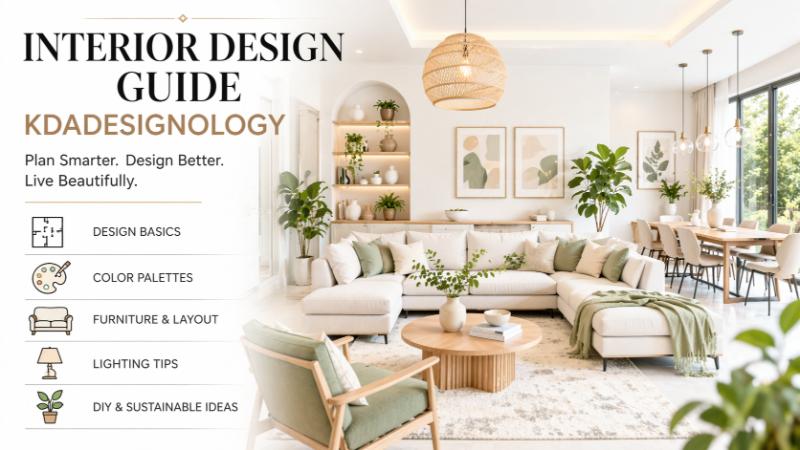
Creating a beautiful and functional living space is no longer reserved for professionals. With the right approach, anyone can design a home that feels stylish, comfortable, and uniquely personal. This interior design guide kdadesignology will walk you through everything you need to know—from planning your layout to choosing colors, furniture, and décor. Whether you’re redesigning a single room or your entire home, this guide will help you make smart, confident decisions that stand out in both aesthetics and practicality.
Why You Need an Interior Design Guide
Designing a space without a plan often leads to mismatched styles and wasted money. A structured approach ensures:
- Better use of space
- Improved functionality
- Consistent design theme
- Long-term satisfaction
This interior design guide kdadesignology focuses on blending creativity with strategy, making it easier for beginners and experienced decorators alike.
Understanding the Basics of Interior Design
Before diving into furniture and colors, you need to understand the core principles.
Balance
Balance creates visual stability. There are three types:
- Symmetrical: Equal weight on both sides
- Asymmetrical: Different elements with equal visual impact
- Radial: Design around a central point
Harmony
Harmony ensures that all elements in a room work together. Stick to a consistent theme or style.
Contrast
Contrast adds depth. Use light vs dark, smooth vs rough, or modern vs classic elements.
Rhythm
Repeat patterns, colors, or textures to create flow in your space.
Step-by-Step Interior Design Process
1. Define Your Purpose
Ask yourself:
- What is this space used for?
- Who will use it?
- What mood do I want to create?
2. Set a Budget
Always start with a clear budget. Divide it into:
- Furniture
- Décor
- Lighting
- Renovation
3. Create a Layout Plan
Use a simple sketch or digital tool to map your space. Focus on:
- Traffic flow
- Furniture placement
- Functional zones
4. Choose a Style
Popular styles include:
- Modern
- Minimalist
- Scandinavian
- Traditional
- Industrial
The interior design guide kdadesignology emphasizes consistency—avoid mixing too many styles.
Choosing the Right Color Palette
Color plays a major role in how a room feels.
Neutral Colors
- White, beige, grey
- Create a calm and clean look
Bold Colors
- Blue, green, red
- Add personality and energy
Accent Colors
Use one or two accent colors for highlights like cushions, rugs, or artwork.
Pro Tip
Follow the 60-30-10 rule:
- 60% main color
- 30% secondary color
- 10% accent color
Furniture Selection Guide
Furniture should be both stylish and functional.
Key Factors to Consider
- Size of the room
- Comfort
- Material quality
- Multi-functionality
Space-Saving Ideas
- Foldable furniture
- Storage beds
- Wall-mounted shelves
The interior design guide kdadesignology recommends investing in timeless pieces rather than trendy items.
Lighting: The Secret to a Perfect Ambiance
Lighting can completely transform a room.
Types of Lighting
| Type | Purpose | Example |
|---|---|---|
| Ambient | General lighting | Ceiling lights |
| Task | Focused lighting | Desk lamps |
| Accent | Highlight features | Spotlights |
Tips
- Use warm light for living spaces
- Use cool light for work areas
- Combine multiple light sources
Décor and Accessories
Décor brings personality into your home.
Must-Have Elements
- Rugs
- Curtains
- Wall art
- Indoor plants
Styling Tips
- Avoid overcrowding
- Mix textures (wood, metal, fabric)
- Use odd-number groupings
The interior design guide kdadesignology highlights that less is often more when it comes to décor.
Room-by-Room Design Strategy
Living Room
- Focus on comfort and social interaction
- Use a central focal point (TV or coffee table)
Bedroom
- Keep it calm and relaxing
- Use soft lighting and neutral tones
Kitchen
- Prioritize functionality
- Use durable materials
Bathroom
- Keep it clean and minimal
- Add mirrors for a spacious feel
Modern vs Traditional Interior Design
| Feature | Modern Style | Traditional Style |
|---|---|---|
| Colors | Neutral, bold accents | Warm, rich tones |
| Furniture | Sleek, simple | Detailed, classic |
| Materials | Glass, metal | Wood, fabric |
| Décor | Minimal | Decorative |
Choosing between these depends on your personal preference and lifestyle.
Common Interior Design Mistakes to Avoid
- Ignoring room proportions
- Using too many colors
- Poor lighting choices
- Overcrowding furniture
- Skipping a layout plan
The interior design guide kdadesignology encourages planning before purchasing anything.
Pros and Cons of DIY Interior Design
Pros
- Cost-effective
- Full creative control
- Personal satisfaction
Cons
- Time-consuming
- Risk of mistakes
- Limited technical knowledge
Budget-Friendly Interior Design Tips
- Repurpose old furniture
- Shop during sales
- Use DIY décor
- Focus on key pieces first
Even small changes can make a big impact when done correctly.
Sustainable Interior Design
Eco-friendly design is becoming more important.
How to Go Green
- Use recycled materials
- Choose energy-efficient lighting
- Add indoor plants
- Avoid plastic décor
This approach not only helps the environment but also creates a healthier living space.
Final Thoughts
Designing your home doesn’t have to be complicated. With the right mindset and strategy, you can create a space that reflects your personality and meets your needs. This interior design guide kdadesignology provides a clear roadmap to help you design smarter, not harder. From choosing colors to arranging furniture, every step matters. Take your time, plan carefully, and enjoy the process of transforming your space into something truly special. As interior design continues to evolve, homeowners are increasingly looking for practical ways to combine style, comfort, and functionality. Staying updated with the latest interior design inspiration can help individuals make informed decorating choices while creating living spaces that reflect modern trends and personal preferences.
FAQs
1. What is the first step in interior design?
Start by defining the purpose of the space and setting a budget.
2. How do I choose the right color scheme?
Use the 60-30-10 rule and pick colors that match your mood and style.
3. Is hiring an interior designer necessary?
Not always. With a good guide, you can design your space yourself.
4. How can I make a small room look bigger?
Use light colors, mirrors, and minimal furniture.
5. What is the most important element in interior design?
Balance and functionality are the most important aspects.
If you follow this interior design guide kdadesignology, you’ll be able to create a home that looks professional, feels comfortable, and stands out in style.