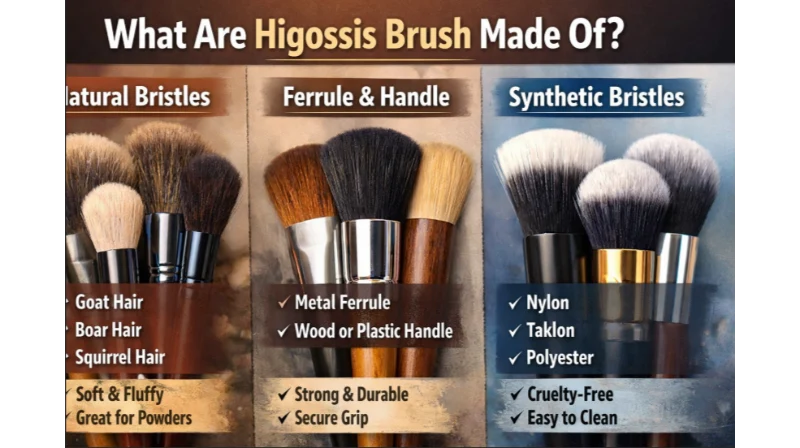
If you’ve ever wondered what are higossis brush made of, you’re not alone. With the growing popularity of specialized brushes in beauty, art, and grooming industries, understanding their composition can help you make smarter buying decisions. The materials used in a brush directly affect its durability, performance, and overall user experience.
In this in-depth guide, we’ll break down everything you need to know about what are higossis brush made of, including the types of materials, how they impact usage, and how to choose the best option for your needs.
Understanding What Higossis Brushes Are
Before diving into what are higossis brush made of, it’s important to understand what Higossis brushes actually refer to. While not a universally standardized term, “Higossis” is often associated with premium-grade brushes used in cosmetics, painting, or grooming tools.
These brushes are typically known for:
- High-quality craftsmanship
- Precision application
- Durable construction
- Ergonomic design
The materials used are the key factor behind these qualities.
Main Components of a Higossis Brush
1. Bristles (Filaments)
The bristles are the most important part of any brush. They determine how the brush performs.
2. Ferrule
This is the metal section that connects the bristles to the handle.
3. Handle
The handle provides grip, balance, and control.
What Are Higossis Brush Made Of: Bristle Materials
When people ask what are higossis brush made of, they are usually referring to the bristles. These can be broadly divided into two categories:
Natural Bristles
Common types include:
- Goat hair
- Boar hair
- Squirrel hair
- Horsehair
Advantages:
- Excellent product pickup
- Smooth and even application
- Ideal for powders and paints
Disadvantages:
- More expensive
- Requires careful maintenance
- Not vegan-friendly
Synthetic Bristles
Synthetic bristles are made from man-made fibers such as:
- Nylon
- Polyester
- Taklon
These are increasingly popular in modern brushes.
Advantages:
- Affordable
- Easy to clean
- Cruelty-free
- Durable
Disadvantages:
- May not hold product as well as natural hair
- Slightly less soft (depending on quality)
Ferrule Materials Explained
The ferrule plays a structural role in the brush. Common ferrule materials include:
- Aluminum (lightweight and rust-resistant)
- Brass (durable and premium-quality)
- Stainless steel (corrosion-resistant and long-lasting)
A high-quality ferrule ensures:
- Bristles stay firmly attached
- The brush maintains its shape
- Longevity increases
Handle Materials Used in Higossis Brushes
Another key part of what are higossis brush made of is the handle. This impacts comfort and usability.
Wooden Handles
- Most common in premium brushes
- Provide a natural, balanced feel
- Often coated for water resistance
Plastic Handles
- Lightweight and affordable
- Resistant to moisture
- Available in various colors and designs
Metal Handles
- Sleek and modern
- Highly durable
- Slightly heavier
Material Comparison Table
Here’s a quick comparison to better understand
| Component | Material Type | Benefits | Drawbacks | Best For |
|---|---|---|---|---|
| Bristles | Natural Hair | Soft, great pickup | Expensive, not vegan | Professionals |
| Bristles | Synthetic | Affordable, durable | Less absorbent | Beginners |
| Ferrule | Aluminum | Lightweight | Less durable | Casual use |
| Ferrule | Brass | Strong, long-lasting | Higher cost | Premium brushes |
| Handle | Wood | Comfortable, stylish | Needs care | High-end use |
| Handle | Plastic | Cheap, waterproof | Less premium feel | Everyday use |
Why Materials Matter in Higossis Brushes
- Performance: Smoothness and precision
- Durability: How long the brush lasts
- Maintenance: Ease of cleaning
- Ethical considerations: Vegan vs animal-based
Choosing the right material ensures you get value for money and the results you want.
Pros and Cons of Higossis Brushes
Pros
- High-quality construction
- Variety of material options
- Suitable for multiple applications
- Long-lasting when properly maintained
Cons
- Premium versions can be expensive
- Natural bristles require extra care
- Some materials may not suit all users
How to Choose the Right Higossis Brush
Now that you understand what are higossis brush made of, here’s how to choose the best one:
Consider Your Purpose
- Makeup: Go for soft synthetic or natural bristles
- Painting: Choose bristles based on medium (oil, acrylic, watercolor)
- Grooming: Look for durable and firm bristles
Check Material Quality
Always inspect:
- Bristle density
- Ferrule tightness
- Handle finish
Think About Maintenance
If you prefer low maintenance, synthetic brushes are the best choice.
Maintenance Tips for Long-Lasting Brushes
- Clean regularly with mild soap
- Avoid soaking wooden handles
- Dry brushes upright or flat
- Store in a clean, dry place
Proper maintenance can significantly extend the life of your brush.
Common Myths About Higossis Brush Materials
Natural Bristles Are Always Better
Not necessarily. High-quality synthetic brushes can perform just as well.
Expensive Means Higher Quality
Price doesn’t always reflect material quality. Always check specifications.
FAQs
What are higossis brush made of exactly?
They are typically made from a combination of natural or synthetic bristles, a metal ferrule (like aluminum or brass), and a handle made of wood, plastic, or metal.
Are Higossis brushes good for beginners?
Yes, especially synthetic versions, which are affordable and easy to maintain.
Which material is best for durability?
Synthetic bristles with a brass ferrule and wooden or metal handle offer excellent durability.
Are these brushes eco-friendly?
It depends on the materials. Synthetic brushes are cruelty-free, while sustainably sourced wood handles can be eco-friendly.
How long do Higossis brushes last?
With proper care, they can last several years, depending on material quality.
Conclusion
Understanding what are higossis brush made of gives you a clear advantage when selecting the right brush for your needs. From bristles to handles, every material plays a role in performance, durability, and user experience. Whether you prefer natural softness or synthetic durability, the best choice ultimately depends on your intended use and personal preferences. By focusing on quality materials and proper care, you can ensure your brush delivers consistent, professional results for years to come.